Introducing iCallify Built by ASTPP’s Engineering Team to Power Modern Contact CentersExplore iCallify
A Session Border Controller That Works the Moment You Deploy
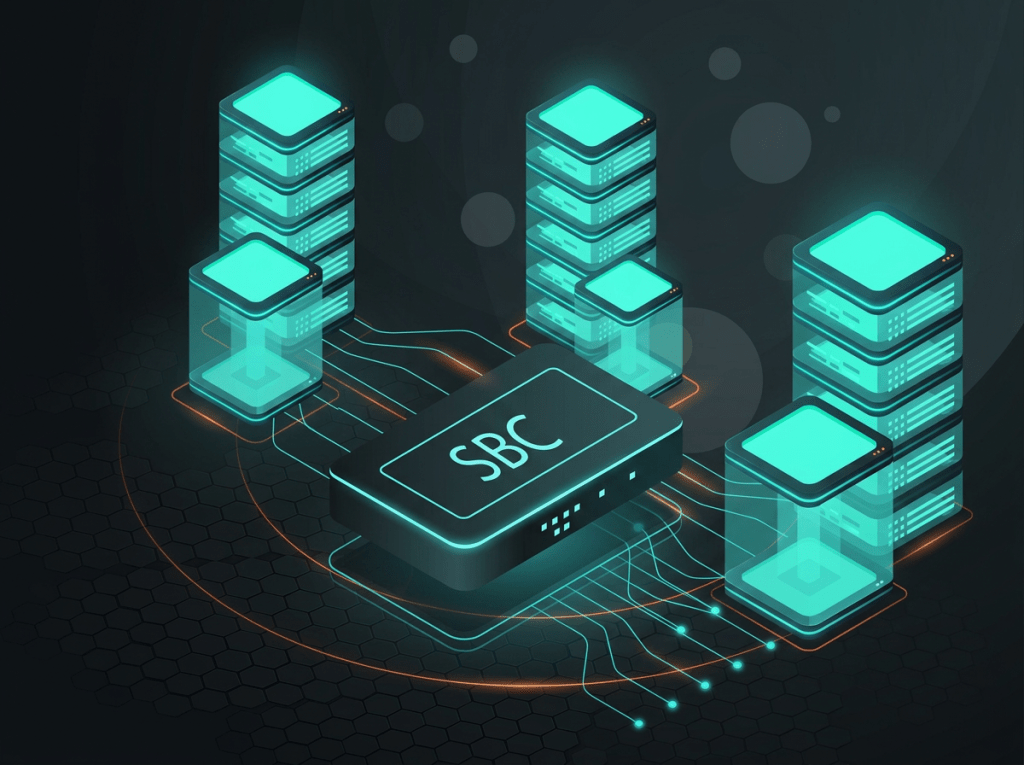
What Is a Session Border Controller?
Why Operators Need an Enterprise SBC
SIP Attacks and Toll Fraud
Unauthorized SIP registrations, brute-force attacks, and fraudulent call routing can quickly drain revenue. Without an enterprise SBC, a single attack can generate significant unauthorized charges before your team even notices.
Carrier Interoperability Failures
Carriers often use different SIP formats. Without SIP normalization, calls may fail, audio quality can suffer, and customer experience declines. An enterprise session border controller automatically translates between carrier formats to maintain reliable interconnects.
Exposed Network Topology
Without topology hiding, internal IP addresses, server names, and infrastructure details can be exposed to carriers and endpoints. Thus, keeping your network architecture private is important for both security and operational protection.
Call Quality Issues
Codec mismatches and NAT traversal problems can cause dropped calls, poor audio quality, and one-way audio. A properly configured SBC helps prevent these common VoIP issues.
Separate Hardware Adds Cost & Complexity
Many operators deploy their SBC as separate hardware alongside their billing and softswitch platform. This adds extra licensing, support, and configuration requirements. ASTPP’s built-in enterprise SBC solutions remove this complexity by combining everything in a single platform.
ASTPP's Built-In SBC: Core Capabilities
Security and Access Control
- IP-based authentication with allow/deny list enforcement
- SIP intrusion detection and automatic blocking
- Toll fraud prevention with threshold-based alerting
- DoS/DDoS protection at the SIP layer
- Call barring by destination, prefix, and caller ID
Protocol and Codec Management
- SIP normalization across carrier trunks
- Codec transcoding support
- Remote-Party-ID and P-Asserted-Identity header management
- Dynamic gateway Contact header extension support
- SIP privacy header for caller identity compliance
Topology Hiding and NAT Traversal
- Internal network address concealment from external carriers
- NAT traversal for SIP endpoints behind firewalls
- Full topology hiding at the SIP and SDP layer
Traffic Management and QoS
- Concurrent call limits per trunk and per account
- SIP device registration enforcement and limits
- QoS monitoring per trunk (ASR, ACD, call volume)
- Real-time traffic visibility and threshold alerting
SBC Integration: Works With Your Existing Stack
ASTPP + FreeSWITCH
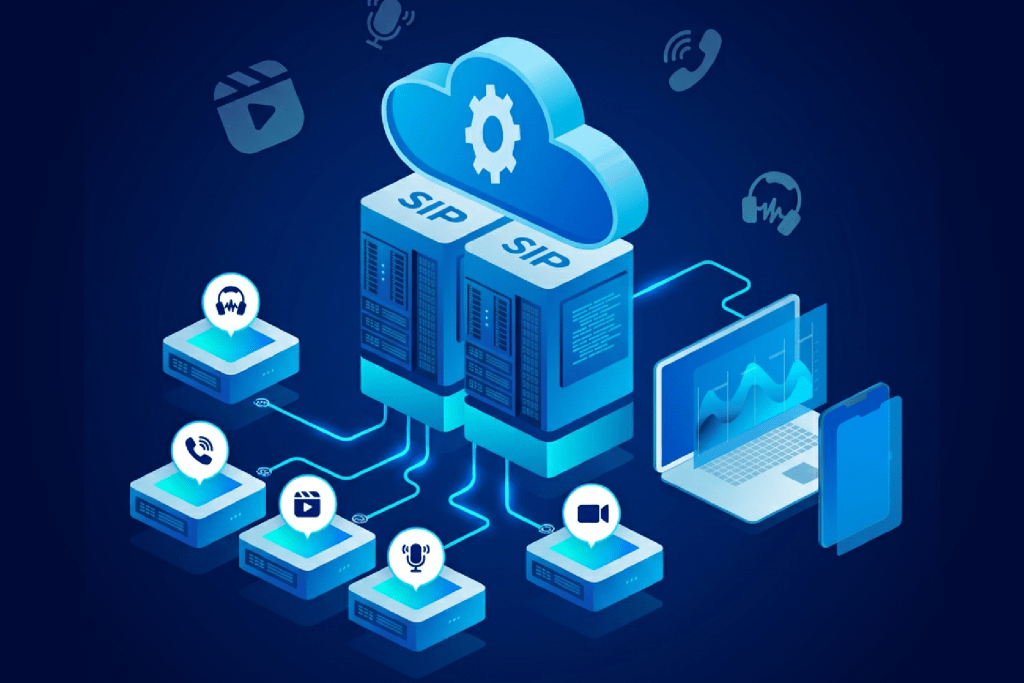
ASTPP's SBC layer integrates natively with FreeSWITCH for session management and media handling. With SBC integration with FreeSWITCH, call routing, codec negotiation, and media relay operate within a single platform. No middleware or external SBC proxy is required.
ASTPP + OpenSIPS
SBC integration with OpenSIPS supports SIP proxy interoperability for high-availability and distributed deployments. If OpenSIPS manages SIP routing in your network, ASTPP's SBC layer adds fraud protection, topology hiding, and traffic management without disrupting your existing configuration.
SBC for Hosted PBX
For operators running multi-tenant IP PBX deployments, SBC integration for hosted PBX is critical. ASTPP's built-in SBC provides secure session routing and tenant isolation. Security policies, call limits, and authentication settings can be managed independently for each tenant without affecting others.
Microsoft Teams SBC Compatibility
ASTPP also supports Microsoft Teams SBC compatibility for enterprise communications. This enables direct routing scenarios, allowing customers to connect their Microsoft Teams environment to your SIP trunking infrastructure through ASTPP's SBC layer.
Cloud SBC: Deploy Anywhere, No Hardware Required
Cloud-Native Deployment
Deploy your cloud SBC on AWS, GCP, Azure, or a private cloud environment. Scale resources as your traffic grows.
On-Premises Deployment
Ideal for operators that require dedicated infrastructure and complete control within their own data centers.
HA Cluster Deployment
Support for high-availability (HA) cluster deployments, helping carriers maintain continuous session control and service availability.
One Platform: SBC, Softswitch, and Billing, All Included
- Session Border Controller (SBC): Enterprise-grade border control
- Class 4/5 Softswitch: Wholesale and retail call routing
- BSS/OCS Billing: Real-time charging and billing management
- LCR Engine: Least-cost routing for carrier traffic optimization
- IP PBX: Multi-tenant hosted PBX for resellers and enterprise customers
One deployment. One support contract. One vendor.
ASTPP's SBC: Built for Every Type of VoIP Operator
Wholesale VoIP Carriers
Secure and manage high-volume carrier interconnects with full SIP normalization, fraud prevention, and per-trunk QoS monitoring.
SIP Trunking Providers
Protect and normalize SIP trunks sold to enterprise customers. Enforce call limits, authenticate devices, and manage codecs automatically.
ITSPs and Retail Operators
Secure customer SIP device registrations, block fraudulent access attempts, and maintain call quality across a large subscriber base.
Hosted PBX Providers
Run a multi-tenant SBC that protects each customer and reseller independently. Isolated security policies per tenant, all managed from one admin panel.
Telecom Startups
Launch with carrier-grade SBC from day one. No upfront hardware cost, no separate SBC vendor, and no complex integration work required.
Ready to Secure Your VoIP Network?
2013
Cloud & On-Premise
Our Case Studies

Tailored ASTPP for Neurotech Telecom to Implement Secure Prison Communication Ecosystem
ASTPP is delivered as a tailored smart telephony solution to Neurotech Telecom, which is one of the known communication and managed service provider companies based in Mexico. The delivered system consists of custom communication features to support the offering of scalable, secure, and accountable communication services in Prisons, rehab centers, and similar controlled environments.
Use Case
Custom Smart Telephony Solution
Location
Mexico North
Industry
Telecommunication and MSP Services
FAQ
A session border controller (SBC) sits at the edge of your VoIP network and controls how SIP traffic enters and exits your platform. It protects against fraud, hides your internal network topology, fixes carrier interoperability issues, and ensures better call quality, making it an essential component for VoIP operators.
ASTPP includes a fully integrated enterprise SBC, with no separate hardware, third-party vendor, or additional licensing required. Everything from SIP interoperability to fraud prevention is managed directly within the ASTPP platform.
ASTPP’s SBC helps protect against SIP attacks and toll fraud through IP-based authentication, allow/deny list enforcement, SIP intrusion detection, and real-time alerting. It also supports call barring by destination, prefix, and caller ID, helping prevent unauthorized traffic and fraudulent charges before they impact your business.
Yes. ASTPP integrates natively with FreeSWITCH for media and session handling, making SBC integration with FreeSWITCH seamless without requiring middleware or additional components. For high-availability and distributed deployments, ASTPP also supports SBC integration with OpenSIPS as a SIP proxy layer.
ASTPP supports both cloud and on-premises deployments. You can run it as a cloud-hosted SBC on AWS, GCP, Azure, or your preferred cloud infrastructure, or deploy it within your own data center. ASTPP also supports high-availability (HA) cluster deployments for operators that require continuous session control and maximum uptime.
ASTPP’s SBC is designed for multi-tenant hosted PBX environments, allowing independent security policies, call limits, and authentication rules for each tenant. This ensures that resellers and end customers remain isolated from one another at the network border, providing greater security, control, and account separation.
ASTPP’s SBC includes SIP interoperability, codec transcoding, Remote-Party-ID and P-Asserted-Identity header management, and SIP privacy header support for caller identity compliance. These SBC features help ensure reliable interoperability between carriers and networks using different SIP implementations.
Unlike PortaOne and VoIPSwitch, which may require separate SBC licensing or third-party add-ons, ASTPP includes enterprise SBC functionality as part of its core platform. It also combines Class 4/5 Softswitch, BSS/OCS billing, LCR, and IP PBX in a single deployment. One platform covers everything, with no separate vendor and no separate contract.